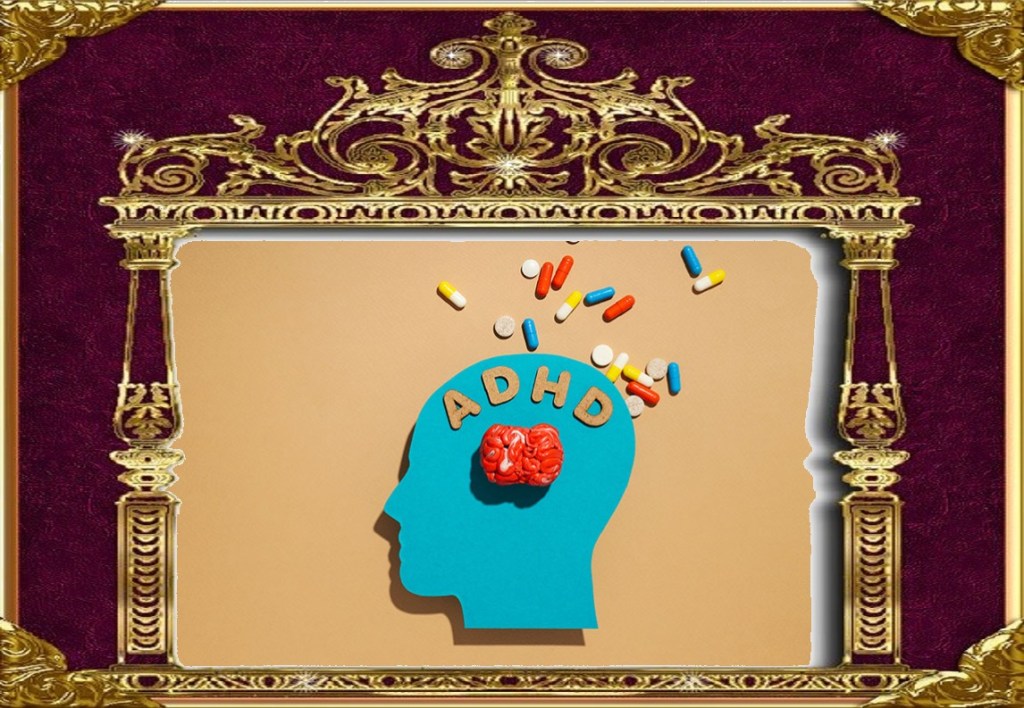
Often, some people mostly have symptoms of inattention while there are others who possess predominant symptoms of hyperactivity and impulsivity. As we know, ADHD is a condition that can hinder cognitive functions, emotional regulation, and interpersonal relationships. Some individuals diagnosed with ADHD, for example, experience symptoms of inattention, hyperactivity, and impulsivity can prove to be challenging. The existing literature indicates that ab dopamine pathways play a crucial role in the manifestation of ADHD symptoms (particularly, the alterations affect reward anticipation, time perception, and emotional regulation).
In addition, ADHD exhibits a genetic predisposition, and individuals with a family history of the disorder are at a higher risk of developing it. Several factors, such as family history, comorbidity, and adversity, can predict the long-term prognosis of ADHD. Individuals with ADHD who often have other health conditions or disorders; for instance, are more likely to receive a diagnosis of antisocial personality traits and substance abuse disorder. Bottom line, children with ADHD have a learning disability about half the time and a conduct disorder about one in four times where their disorders like anxiety, mood disorders, and learning disabilities are frequently seen.
Below here are some general symptoms of ADHD in both children and adults:
1. Inattention: Difficulty paying attention.
– Signs of inattention can include frequent difficulty with:
►Paying attention to details, leading to careless mistakes at school, work, or during other activities.
►Concentrating on tasks or activities, for instance, while having conversations, taking tests, completing assignments, or reading papers.
►Listening when spoken to directly.
►Following instructions or finishing tasks at school, work, or home.
►Organizing tasks and activities, managing time, and meeting deadlines.
►Completing tasks that require sustained attention, such as homework, large projects, and complicated forms.
►Losing things, such as backpacks, books, keys, wallets, and phones.
►Getting easily distracted by unrelated thoughts or stimuli.
►Forgetting about daily activities, such as chores, errands, and events, or other important things, like assignments, appointments, and phone calls.
2. Hyperactivity & Impulsivity: Showing too much energy, moving and talking too much, and acting without thinking or having difficulty with self-control.
– Signs of hyperactivity and impulsivity can include often:
►Fidgeting, tapping hands or feet, or squirming while seated.
►Moving around when expected to remain seated, such as in the classroom or office, or feeling restless in these situations.
►Running, climbing, or moving around at times when it is not appropriate.
►Being constantly “on the go” and acting as if driven by a motor.
►Being unable to quietly play or take part in hobbies and activities.
►Talking excessively.
►Answering questions before they are fully asked or finishing other people’s sentences.
►Struggling to wait or be patient, such as when playing a game or waiting in line.
►Interrupting or intruding on others, for example, in conversations, games, or meetings.


 The Dark Knight
You must be logged in to post a comment.