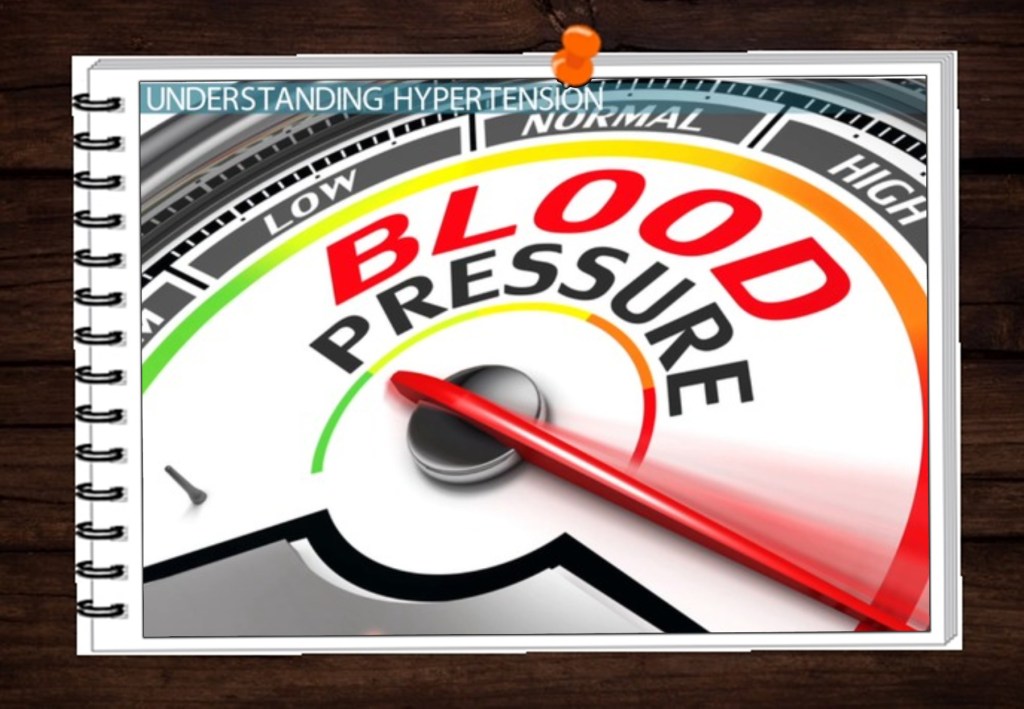
We live in a rapidly changing environment. Throughout the world, human health is perpetually being shaped by the same powerful forces (e.g. demographic ageing, rapid urbanization, and the globalization of unhealthy lifestyles). Increasingly, wealthy and resource-constrained countries are facing the same health issues whereby the fact that noncommunicable diseases such as cardiovascular disease, cancer, diabetes and chronic lung diseases have overtaken infectious diseases as the world’s leading cause of mortality. With that being said, one of the key risk factors for cardiovascular disease is hypertension, and what you choose to eat affects your chances of developing high blood pressure, or hypertension (the medical term).
Statistically, hypertension (high blood pressure) already affects one billion people worldwide, leading to heart attacks and strokes. Researchers have estimated that raised blood pressure currently kills nine million people every year according to Dr Margaret Chan (The Director-General of World Health Organization). The global efforts to tackle the challenge of noncommunicable diseases such as hypertension have gained momentum since the 2011 United Nations Political Declaration on the prevention and control of noncommunicable diseases. Owing to this, high-income countries have begun to reduce hypertension in their populations through robust public health policies, such as reduction of salt in processed food, widely available diagnosis and treatment that tackle hypertension, and other risk factors together.
When talking about what exactly the term hypertension means, it practically refers to a medical condition that occurs when the force of blood flow through the blood vessels is persistently elevated, which makes the heart work harder and increase the pressure of the blood flowing through blood vessels. To put it simply, when the force of your blood pushing against your artery walls is consistently too high, this damages your arteries over time and can lead to serious complications, such as heart attack and stroke. Therefore, hypertension (high blood pressure) is a major risk factor for heart disease, stroke, and other serious health problems, for which the blood pressure is determined by both the amount of blood your heart pumps and your arteries’ resistance to blood flow.
Technically, the amount of our blood is carried from our heart to all parts of our body in blood vessels. Each time our heart beats, it pumps blood into the vessels. Blood pressure is created by the force of blood pushing against the walls of blood vessels (arteries) as it is pumped by the heart. Hypertension, also known as high blood pressure as explained previously, is a condition in which the blood vessels have persistently raised pressure. The higher the pressure in blood vessels, the harder the heart has to work in order to pump blood. If left uncontrolled, hypertension can lead to a heart attack, an enlargement of the heart and eventually heart failure.
Meanwhile, blood vessels may develop bulges (aneurysms) and weak spots due to high pressure; making them more likely to clog and burst. The pressure in the blood vessels can cause blood to leak out into the brain and this can lead to a stroke. Additionally, hypertension can also lead to kidney failure, blindness, rupture of blood vessels and cognitive impairment.
Obviously, in order to survive and function properly, tissues and organs need the oxygenated blood that the circulatory system carries throughout our body. When the heart beats, it creates pressure that pushes blood through a network of tube-shaped blood vessels, which include arteries, veins and capillaries. This pressure is the result of two forces, namely are:
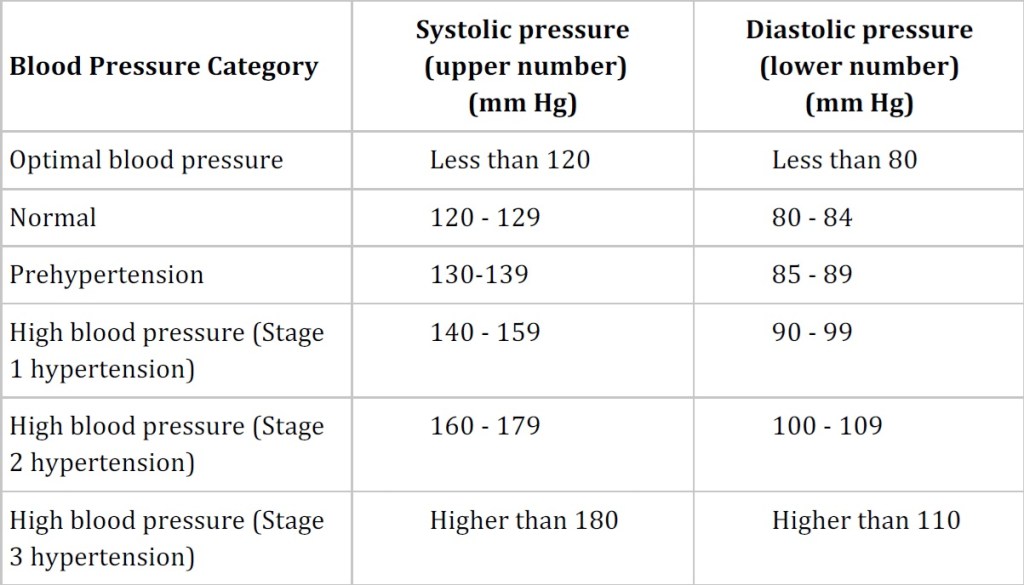
1. The first force is called “systolic pressure”. This occurs as blood pumps out of the heart and is carried to the rest of the body. It is the upper number or the highest pressure in blood vessels, and happens when the heart contracts or beats.
2. The second force is called “diastolic pressure”. It is the lower number or the lowest pressure in blood vessels in between heartbeats when the heart muscle relaxes. In other words, the diastolic pressure is created when the heart rests between heart beats.
Last but not least, blood pressure is measured in millimeters of mercury (mm Hg) and is recorded as two numbers usually written one above the other. When your blood pressure is too high for too long, this can damage your blood vessels and the LDL (bad cholesterol) begins to accumulate on your artery walls. As a consequence, this increases the workload on your circulatory system and decreases its efficiency (see the image below).


 The Dark Knight
You must be logged in to post a comment.