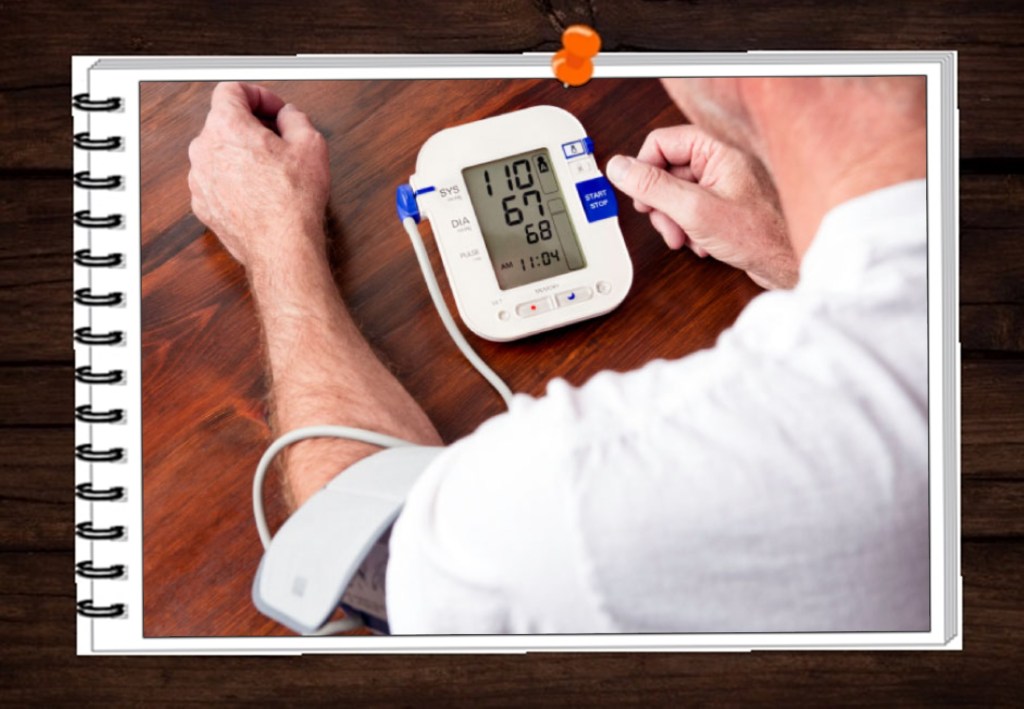
Obviously, blood pressure measurements need to be recorded for several days prior to a diagnosis of hypertension can be made. What’s more, blood pressure is normally recorded twice, which is ideally in the morning and evening. Two consecutive measurements are taken, at least a minute apart and with the person seated. Subsequently, measurements taken on the first day are discarded and the average value of all the remaining measurements is taken to confirm a diagnosis of hypertension.
To start off, it is possible to minimize the risk of heart attack, heart failure, stroke and kidney failure if hypertension (high blood pressure) is detected early. All adults should check their blood pressure and know their blood pressure levels. Digital blood pressure measurement machines enable this to be done outside clinic settings, which is on a self-care basis. If hypertension is detected, people should seek the advice of a health worker.
Perhaps, lifestyle changes are not sufficient for controlling blood pressure for some people out there, hence, such medical prescriptions are necessarily required. Blood pressure drugs work in several ways, such as removing excess salt and fluid from the body, slowing the heartbeat or relaxing and widening the blood vessels. Self-monitoring of blood pressure, on the other hand, is recommended for the management of hypertension in patients where measurement devices are affordable.
For noncommunicable diseases, self-care practices can facilitate early detection of hypertension, adherence to medication, healthy behaviors, better control, and having self-awareness of the importance of seeking medical advice when necessary. In short, self-care monitoring is essential for all, but it is particularly so important for people who have limited access to health services due to geographic, physical, or any other economic reasons.
WAYS TO CONTROL HYPERTENSION & REDUCE STROKE RISK
Controlling high blood pressure is a primary strategy for preventing strokes. Below here are some of the steps which you can take to help you reduce your risk for a stroke.
– Dietary Changes: Reduce salt, sugar, and unhealthy fats, and increase fiber, fruits, and leafy green vegetables.
– Maintain a Healthy Weight: Achieve and maintain a healthy body weight.
– Regular Exercise: Aim for at least 30 minutes of aerobic activity, such as brisk walking, five times a week.
– Quit Smoking: Quitting smoking significantly lowers stroke risk.
– Limit Alcohol Intake: Excessive alcohol consumption can raise blood pressure.
– Manage Stress: Chronic stress can increase your likelihood of having a stroke.
– Medication: Work with your doctor to determine if medication is needed to help control your blood pressure.


 The Dark Knight
You must be logged in to post a comment.