Nearly all of us will experience a very frightening or distressing event that will challenge our view of the world or ourselves at some point in our lives. Virtually, everyone develops some kind of psychological reactions following such experiences that they have had, which is part of a normal human response to extreme stress. In reality, most people will recover over the weeks and months following the incident with the help of caring family members and friends. For some, however, recovery does not come so effortlessly and more serious problems develop at a later stage. In those cases, professional help inevitably is often required.
As a start, some individuals who experience a traumatic event will go on to develop a chronic condition known as “Post-Traumatic Stress Disorder (PTSD)“. The exact numbers are difficult to specify, yet, anywhere between 5% and 40% of trauma survivors may develop PTSD. And, questioning why some people are affected more than others has no simple answer since many factors are involved. Perhaps, it may seem to be a complex mix of what the person was like before the trauma, their experience of other frightening events in the past, the severity of the current trauma, and what else is happening in their lives as they try to recover. Regardless of whatever their causes are, such an effective treatment does a great deal to improve the chances of a person’s recovery from PTSD.
WHAT IS A TRAUMATIC EVENT?
Trauma indeed is a very personal thing. What traumatizes one person can be of less significance to others. This variation in peoples’ reactions occurs because of their individual personality, beliefs, personal values, and previous experiences (especially of other traumatic events in their life). It occurs also because each person’s experience of the incident is unique. However, in all cases the individual has experienced a threatening event that has caused them to respond with intense fear, helplessness, or horror. The threat or injury may be to themselves or to others who are close to them. Typical traumatic events may be of human origin (such as war experiences, physical assault, sexual assault, accidents, and witnessing the death or injury of others) or of natural origin (such as bushfires, earthquakes, floods, and hurricanes). Overall, there are no hard and fast rules unfortunately to define the so-called trauma.
POST-TRAUMATIC STRESS DISORDER (PTSD)
From medical viewpoints, PTSD is basically defined as a psychological response to the experience of intense traumatic events, particularly those that threaten life. It can affect people of any age, culture or gender. Although we have started to hear a lot more about it in recent years, the condition has been known to exist at least since the times of ancient Greece (more than 2000 years ago), and has been called by many different names. In the American Civil War, for example, it was referred to as “soldier’s heart” while in World War II, it was known as “war neurosis”. In civilian life, such terms as “shock neurosis“, “railway spine“, and “rape trauma syndrome” were also used in the past.
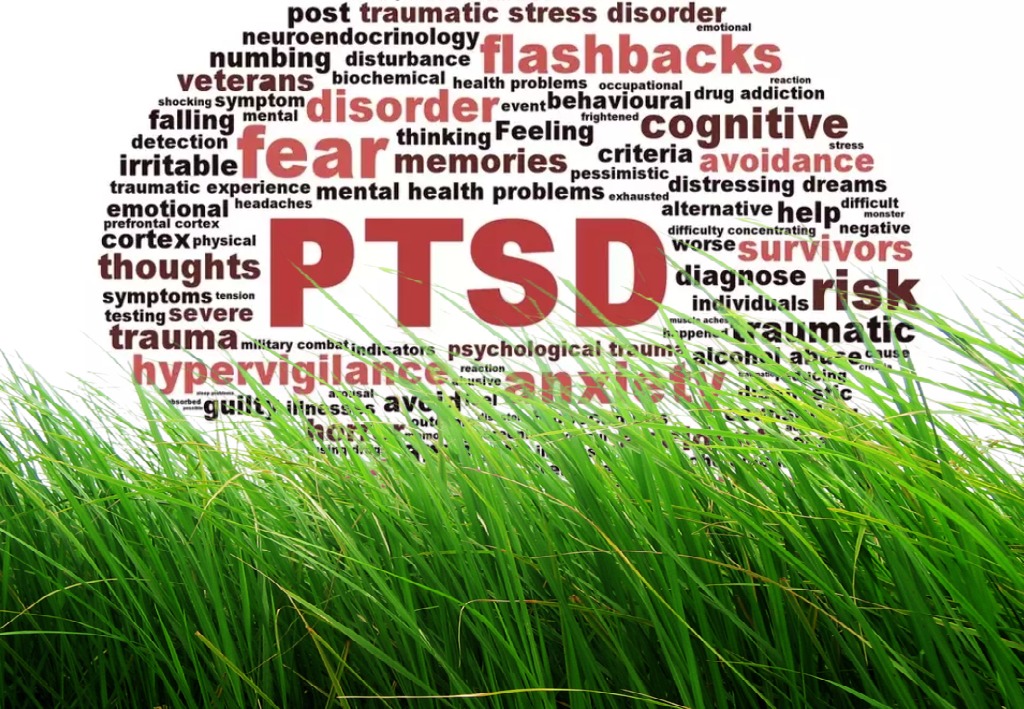
Next, Post-Traumatic Stress Disorder is a debilitating condition which follows a traumatic event. Although Post-Traumatic Stress Disorder (PTSD) is often misunderstood and misdiagnosed, however, the condition has very specific symptoms that are part of a definite psychiatric disorder. As an example, a person has PTSD when the symptoms of the disorder cause distress and interference in daily life. Often, people with PTSD are plagued by persistent frightening memories of the traumatic event called flashbacks, and they feel both constantly and emotionally numbed by the ordeal. What makes the flashbacks particularly bad is that they bring back the emotions associated with the traumatic event.
Meanwhile, traumatic stress can be seen as part of a normal human response to intense experiences. While most people recover over the first few months, for many the symptoms do not seem to resolve quickly and in some cases, may continue to cause problems for the rest of the person’s life. It is also common for symptoms to vary in intensity over time. For instance, some people go or suffer for long periods without any significant problems, only to relapse when they have to deal with other major life stress. In rare cases, the symptoms may not appear for months or even years after the trauma.
Last but not least, the above disorder so-called “PTSD” was first brought to the public attention historically by the war veterans following the Korean and Vietnam wars where it was later seen as a problem, which was specifically suffered by soldiers who have had intimate contact with the actual fighting in the war. However, PTSD can result from any traumatic incident; examples are natural disasters, domestic violence and vehicle accidents.
The disease so-called PTSD can be triggered not only by experiencing a traumatic event, but also through witnessing a traumatic event; witnessing all the same causes are present for the victim of the trauma, but observer’s PTSD if from the perspective of a witness, they can be just as serious as for someone who actually experienced the trauma. Hence, Post-Traumatic Stress Disorder (PTSD), in a nutshell, refers to a particular set of reactions that can develop in people who have gone through a series of traumatic events, either they have experienced or witnessed those events which threaten their life or safety, or that of others around them, and eventually led them to have feelings of intense fear, helplessness or horror.


 The Dark Knight
You must be logged in to post a comment.