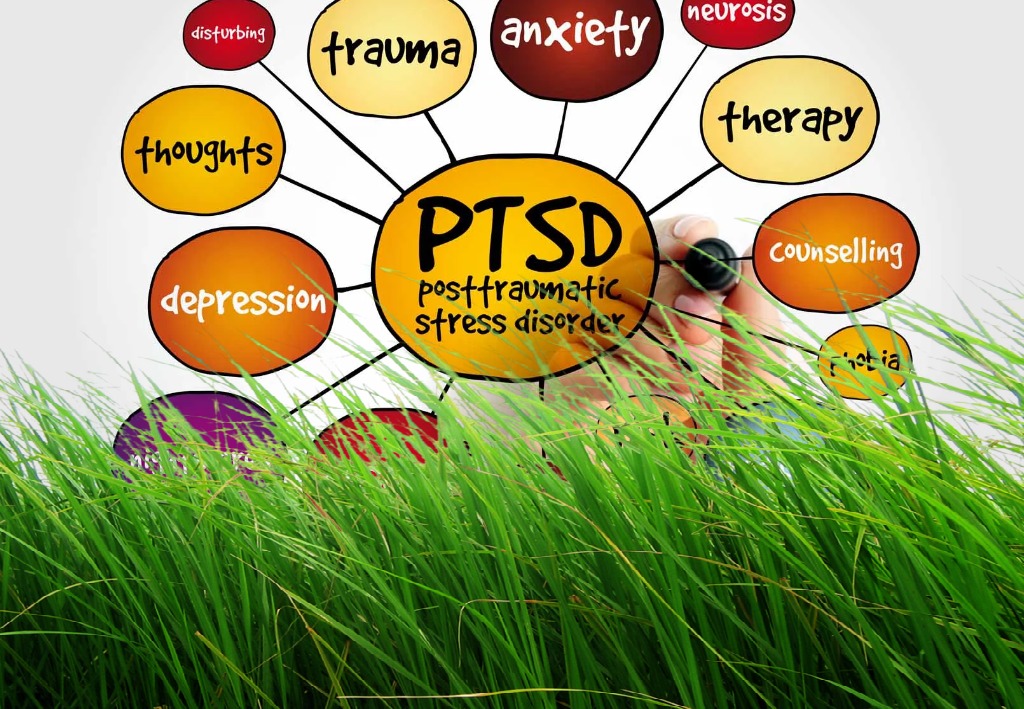
Perhaps, not everyone who has experienced a trauma will develop full PTSD or require treatment. This is because some patients out there are able to recover with the help of family, friends or other support. It is important to note that a sufferer still requires help, and it is not just always professional help. However, there are others who may or still require professional help to successfully and fully recover from the symptoms that result from experiencing, witnessing or participating in their traumatic events.
COMMON SYMPTOMPS OF PTSD – WHAT ARE THEY?
PTSD usually appears within three months of the trauma, but sometimes the condition may only surface months or even years after the event. Doctors or other psychology professionals have categorized PTSD symptoms into three groups:
1. Intrusive Symptoms
– Memories, images, smells, sounds, and feelings of the traumatic event can “intrude” into the lives of individuals with PTSD. Sufferers may remain so captured by the memory of past horror that they have difficulty paying attention to the present. People with PTSD report frequent, distressing memories of the event that they wish they did not have. They may have nightmares of the event or other frightening themes.
– Movement, excessive sweating, and sometimes even acting out the dream while still asleep may accompany these nightmares. They sometimes feel as though the events were happening again (this is referred to as “flashbacks” or “reliving” the event). They may become distressed, or experience physical signs such as sweating, heart racing, and muscle tension, when things happen which remind them of the incident. Overall, these “intrusive” symptoms cause intense distress and can result in other emotions such as grief, guilt, fear or anger.
2. Avoidance Symptoms
– Memories and reminders of traumatic events are very unpleasant and can trigger considerable distress. Therefore, people with PTSD often avoid situations, people, or events that remind may them of the trauma. They try not to think about or talk about what happened, and attempt to cut themselves off from the painful feelings associated with the memories.
– In their attempts to do this, they often withdraw from family, friends, and society in general. They begin to do less and less, no longer taking part in activities they used to enjoy. This may help them to shut out the painful memories, but it can also lead to feelings of isolation and of not belonging to the rest of society. PTSD sufferers will frequently say that they cannot ‘feel’ emotion, especially towards those closest to them.
– When emotions are felt, there is often great difficulty in expressing them. As the avoidance continues, the person may seem bored, cold or preoccupied. Family members often feel rebuffed or rejected by the PTSD sufferer because he or she lacks affection and acts in a mechanical manner.
3. Hyperarousal Symptoms
– PTSD can cause sufferers to act as if they are continually threatened by the trauma that caused their illness. Sufferers often become irritable, even when they are not provoked, and may have trouble of concentrating or remembering current information. Insomnia (sleeping difficulties) may develop as a result of irritability. PTSD sufferers may have an exaggerated startle response.
– For instance, a war veteran may revert to combat behaviour and dive for cover when the sound of a car backfiring or a string of firecrackers exploding is heard. At times, those with PTSD can suffer panic attacks resulting from the extreme fear they felt during the traumatic event. During the panic attack, their throats tighten and breathing and heart rate increase dramatically; resulting in feelings of nausea and dizziness.


 The Dark Knight
You must be logged in to post a comment.